


The co-working industry has matured significantly over the past decade, moving beyond the simple concept of shared desks and open floor plans. Today's most successful co-working spaces are carefully designed ecosystems that balance aesthetics, functionality, and community. They serve not just as places to work, but as environments that actively contribute to productivity, creativity, and professional growth. Designing a workspace that truly performs requires a strategic approach that considers everything from spatial planning to member experience.
For operators and developers entering or expanding in the co-working market, the stakes are higher than ever. Competition is fierce, member expectations are sophisticated, and the margin for error in both design and operations is slim. Success depends on getting the fundamentals right - understanding your target audience, creating flexible spaces that adapt to diverse needs, and building operational systems that deliver consistent quality at every touchpoint.

Building the Foundations of a High-Performance Space
Every great co-working space starts with a clear vision and a solid business plan. Before selecting furniture or designing layouts, operators need to define their target market, revenue model, and competitive positioning. Are you serving freelancers and solopreneurs who need affordable hot desks, or enterprise teams that require dedicated suites with premium amenities? The answer to this question shapes every subsequent decision, from location selection and lease negotiation to interior design and technology infrastructure.
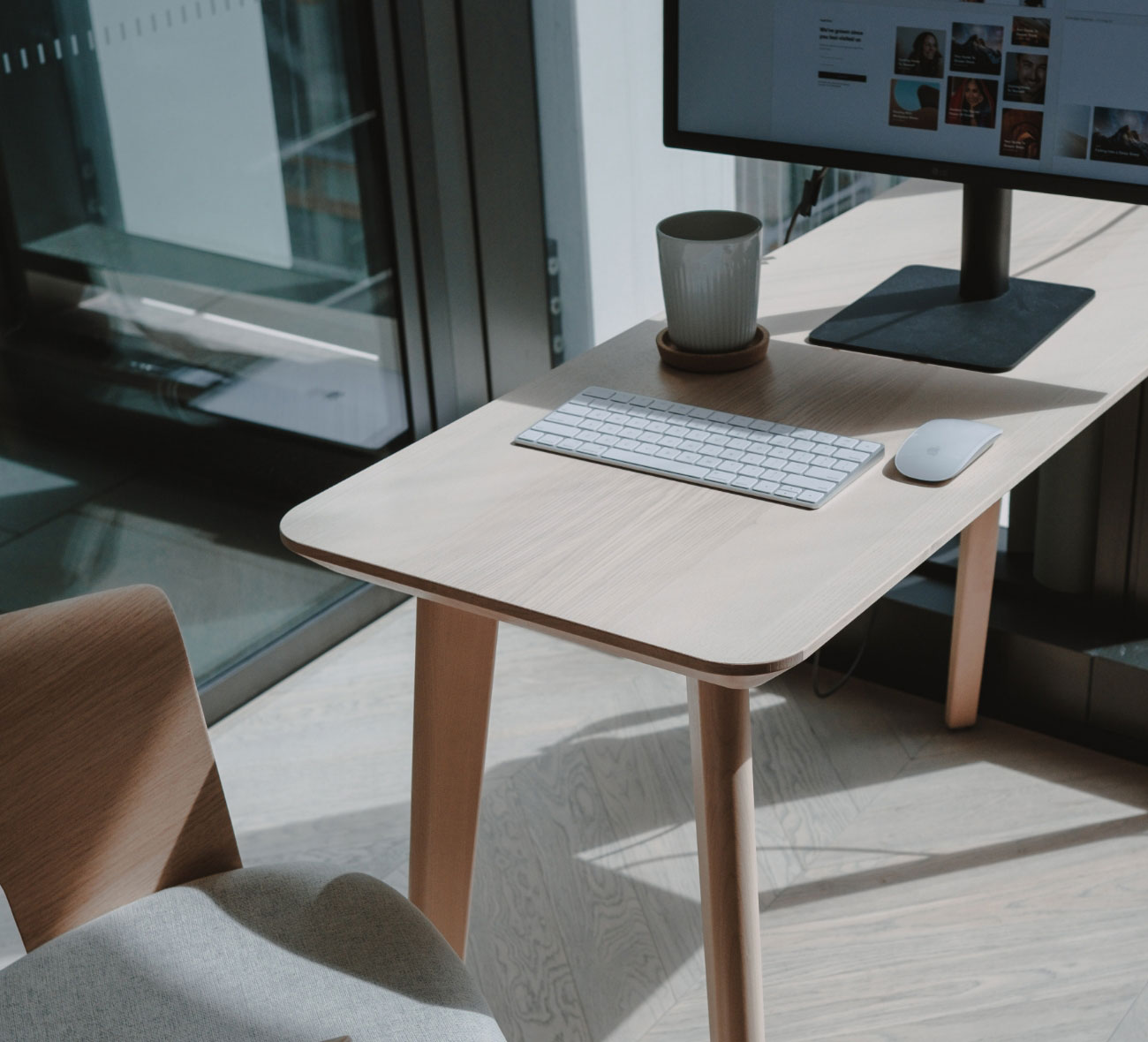
Space planning is where strategy meets execution. Effective layouts maximize usable square footage while creating distinct zones for different work styles - quiet focus areas, collaborative meeting rooms, social lounges, and event spaces. The best designs incorporate flexibility through modular furniture, movable partitions, and multi-purpose areas that can adapt to changing demand throughout the day and across seasons.
Operations, Community, and the Member Experience
Design and strategy only get you so far - it's the day-to-day operations and community management that determine whether a co-working space thrives or struggles. From front-desk workflows and cleaning schedules to event programming and conflict resolution, operational excellence requires documented processes, trained staff, and a genuine commitment to member satisfaction. The spaces that retain members longest are the ones that make people feel welcome, supported, and connected to something larger than a desk rental.
Community building is perhaps the most underestimated factor in co-working success. Regular networking events, skill-sharing workshops, social gatherings, and member spotlights create a sense of belonging that keeps people coming back even when cheaper alternatives exist. Technology plays a supporting role here too - member apps, booking systems, access control, and communication platforms should work seamlessly together to reduce friction and enhance the overall experience. When operations and community work in harmony, the result is a workspace that doesn't just perform financially but creates genuine value for everyone who walks through the door.